
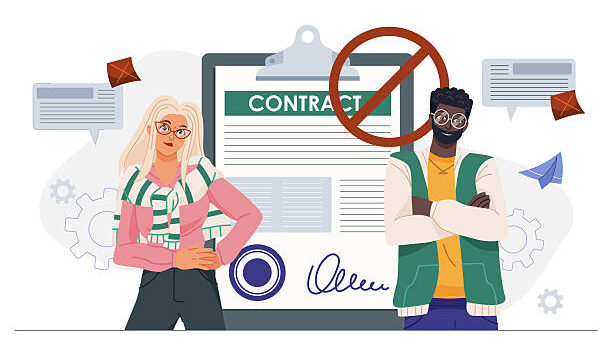
Running an online business comes with many opportunities, but it also carries legal risks. A single software bug, service outage, or customer dispute can quickly escalate into financial claims. This is why implementing a strong Limitation of Liability SaaS clause is critical for protecting digital businesses.
At TOS Lawyer, we regularly help startups structure legal frameworks that support growth while protecting revenue and intellectual property. Without these protections, even a small issue could expose the business to significant financial damages.
A well-drafted Limitation of Liability SaaS provision ensures that risks remain manageable while still maintaining fair obligations toward customers. It creates clear expectations and protects the long-term stability of the business.
Understanding Limitation of Liability SaaS Clauses
A Limitation of Liability SaaS clause is a contractual provision that restricts the amount or type of damages a company may be required to pay if a dispute occurs.
In simple terms, it prevents a customer claim from exceeding a reasonable financial limit.
These clauses typically appear in:
• Terms of Service
• SaaS agreements
• E-commerce terms and conditions
• Digital product license agreements
By including these provisions, businesses reduce exposure to unpredictable legal claims.
Why Limitation of Liability SaaS Matters for Digital Businesses
Digital businesses operate at scale, which means even small issues can affect many users.
Imagine a SaaS platform charging $50 per month. If a system outage affects hundreds of customers, some may claim lost revenue or business interruption.
Without liability protections, a company could face claims far exceeding the total revenue generated.
Limiting liability helps businesses:
• Control financial exposure
• Avoid disproportionate lawsuits
• Maintain predictable legal risk
• Protect long-term operations
This is why most modern SaaS terms and conditions include liability limitations as a standard clause.
Key Legal Tools Used to Limit Liability
Businesses use several legal mechanisms to control their exposure to risk. Each tool addresses a different type of potential claim.
Limitation of Liability Clause
The most important protection is the liability cap.
This clause defines the maximum amount of damages that can be claimed.
Common structures include:
• Limiting damages to fees paid in the past 12 months
• Setting a fixed monetary cap
• Linking damages to subscription revenue
For example:
The company’s total liability shall not exceed the fees paid by the customer during the previous 12 months.
This ensures that a small subscription customer cannot claim millions in damages.
Exclusion of Consequential Damages
Many large lawsuits are based on indirect losses rather than direct damages.
These may include:
• Lost profits
• Loss of business opportunities
• Bata loss
• Reputational damage
An exclusion clause removes liability for these indirect losses.
Example concept:
The provider shall not be liable for indirect, incidental, or consequential damages.
This clause is common in SaaS legal agreements and technology contracts.
Disclaimer of Warranties
Another important protection is the warranty disclaimer.
Digital services are often provided as-is or as available, meaning the provider does not guarantee perfect performance.
These clauses help protect against claims related to:
• Software bugs
• Temporary outages
• Unexpected errors
• Service interruptions
Most online platform terms of service include these disclaimers to prevent unrealistic expectations from users.
Indemnification Clauses
Indemnification clauses shift responsibility when a user’s actions create legal risk for the company.
For example, a customer might upload copyrighted material or illegal content to a platform.
An indemnification clause typically requires the user to:
• Defend the company against legal claims
• Pay legal costs if their actions cause harm
This protection is particularly important for marketplaces, SaaS platforms, and content-based services.
Liability Carve-Outs
Certain liabilities cannot legally be excluded in many jurisdictions.
Contracts usually identify these exceptions, known as carve-outs.
Common examples include:
• Fraud
• Intentional misconduct
• Gross negligence
• Personal injury
These carve-outs ensure that the contract remains legally enforceable while still limiting most risks.
Liability Protections Specific to SaaS Businesses
SaaS companies face unique risks because they store data and provide continuous online services.
Data Ownership and Security Clauses
A SaaS contract should clearly define who owns customer data and how it is handled.
These clauses may explain:
• Data storage responsibilities
• Data processing permissions
• Data protection measures
Clear data policies help prevent disputes related to data privacy compliance.
Service Level Agreements (SLAs)
Many SaaS companies offer Service Level Agreements that define expected service availability.
Typical SLA elements include:
• Uptime guarantees
• Scheduled maintenance rules
• Compensation through service credits
SLAs help manage expectations while limiting financial liability.
Security and Breach Notification Rules
Security provisions clarify how companies respond to cybersecurity incidents.
They often describe:
• Breach notification procedures
• Data recovery responsibilities
• Backup policies
These protections help businesses manage risks related to cybersecurity liability.
Liability Considerations for E-Commerce Businesses
E-commerce businesses face different risks than software companies.
Product Liability Disclaimers
Online stores often include clauses explaining that the business is not responsible for misuse of products.
For example:
• Using products incorrectly
• Ignoring safety instructions
• Modifying products after purchase
These disclaimers reduce liability for product misuse.
Refund and Return Policies
Clear refund and return policies also play an important role in limiting disputes.
Well-written policies explain:
• Refund eligibility rules
• Return conditions
• Processing timelines
A transparent e-commerce refund policy helps reduce chargebacks and customer conflicts.
Third-Party Vendor Disclaimers
Marketplace platforms must clarify when products are sold by third-party vendors.
This ensures customers understand that the platform may not be responsible for the seller’s actions.
Such clauses are common in online marketplace terms and conditions.
Liability Protections for Creator Businesses
Creator businesses—such as course sellers, coaches, and influencers—also face legal exposure.
Earnings Disclaimers
Creators who sell educational or business advice often include earnings disclaimers.
These clauses explain that results may vary and are not guaranteed.
This protects against claims that customers did not achieve expected outcomes.
Educational and Informational Disclaimers
Many creator platforms include disclaimers stating that their content is for educational purposes only.
This is common in:
• Business coaching programs
• Financial education content
• Health and fitness courses
These disclaimers reduce the risk of professional liability claims.
Affiliate Disclosure Policies
Creators who promote products for commissions must disclose affiliate relationships.
Transparency helps comply with advertising and consumer protection regulations.
Affiliate disclosures are often required in creator platform policies.
Structural Ways Businesses Limit Liability
Legal clauses alone are not enough to fully protect a company. Businesses also use structural protections.
Using Limited Liability Entities
Most startups form a legal entity such as:
• Limited Liability Company (LLC)
• Private Limited Company
These structures separate personal assets from business liabilities.
If the company faces legal claims, the founder’s personal assets are typically protected.
Business Insurance Coverage
Insurance provides another layer of protection.
Common policies include:
• General liability insurance
• Professional liability insurance
• Cybersecurity insurance
Insurance helps cover legal defense costs and potential settlements.
Clear Terms of Service Agreements
A strong Terms of Service document should include several key clauses:
• Limitation of liability provisions
• Acceptable use policies
• Dispute resolution rules
• Account suspension rights
• Governing law clauses
Together, these terms create a comprehensive legal framework for operating online platforms.
Common Liability Mistakes Founders Make
Many early-stage founders underestimate the importance of legal protections.
Common mistakes include:
• Copying generic terms from other websites
• Failing to include a liability cap
• Using clauses that violate local laws
• Ignoring compliance requirements
These errors can make contracts unenforceable or expose businesses to unnecessary risk.
Working with legal professionals ensures that agreements reflect the business model and jurisdiction correctly.
Conclusion: Build Strong Liability Protections Early
Limiting liability is one of the most important legal strategies for modern digital businesses. A carefully drafted Limitation of Liability SaaS clause ensures that startups, e-commerce platforms, and creator businesses can operate without facing disproportionate financial risk.
Strong contracts, clear policies, and proper business structures help distribute risk fairly between companies and their users. They also build trust by clearly defining responsibilities.
If your business operates online, reviewing your terms and legal agreements is essential. Working with experienced professionals such as Toslawyer can help ensure your terms properly protect your business before growth accelerates.