
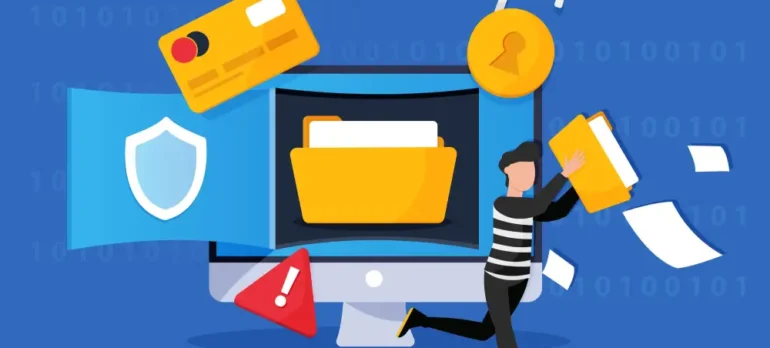
Data Privacy Mistakes are one of the most common legal and operational risks for online businesses today. Websites, SaaS platforms, and e-commerce stores collect large amounts of customer information every day.
When that data is handled poorly, businesses can face regulatory penalties, security breaches, and serious damage to customer trust.
At TOS Lawyer, we regularly help online businesses identify privacy risks and create legal policies that protect user data while ensuring compliance.
Common Data Privacy Mistakes Online Businesses Make
Before building a strong privacy strategy, businesses need to understand the most frequent errors that lead to compliance issues. The following Data Privacy Mistakes are commonly seen across websites, SaaS platforms, and digital businesses.
Collecting Excessive Customer Data is a Major Data Privacy Mistake
One of the most common Data Privacy Mistakes is collecting more personal information than necessary.
Many websites ask for details such as phone numbers, addresses, or birth dates even when those details are not required to provide the service.
This increases risk because:
- More data means greater exposure during a breach
- Regulations encourage businesses to limit unnecessary data collection
- Storing excessive information increases security obligations
Best practice includes:
- Collecting only information required for a transaction or service
- Reviewing forms and signup processes regularly
- Removing unnecessary data fields from customer forms
Missing or Weak Privacy Policies Create Data Privacy Mistakes
Another common Data Privacy Mistake is operating a website without a proper privacy policy.
Some businesses use generic templates that do not accurately reflect how their platform collects and processes personal data.
A strong privacy policy should clearly explain:
- What personal data is collected
- Why the data is collected
- How the data is used and stored
- Whether the data is shared with third parties
Keeping your privacy policy updated is essential for transparency and compliance.
Poor Security Practices Lead to Data Privacy Mistakes
Weak security systems are one of the most dangerous Data Privacy Mistakes for online businesses.
Customer information may be exposed if businesses fail to protect their systems properly.
Common security weaknesses include:
- Weak or reused passwords
- Outdated software or plugins
- Lack of encryption for sensitive data
- Unsecured cloud storage or databases
Best practices include implementing encryption, secure hosting environments, and regular security audits.
Ignoring Consent Requirements Causes Data Privacy Mistakes
Many websites collect user data through cookies, analytics tools, and marketing platforms without obtaining proper consent.
This creates significant Data Privacy Mistakes, particularly for businesses serving international users.
Consent should be clearly requested before:
- Placing tracking cookies
- Sending marketing emails
- Collecting behavioral analytics data
Businesses should implement transparent consent tools and opt-in systems for user tracking.
Weak Internal Controls Are Common Data Privacy Mistakes
Even when systems are secure, poor internal controls can still lead to Data Privacy Mistakes.
Employees may access customer data unnecessarily or without proper supervision.
Common issues include:
- Lack of access restrictions
- Employees viewing sensitive customer data without authorization
- No internal privacy training
Best practices include implementing role-based access controls and providing staff training on data privacy responsibilities.
Poor Data Breach Response Planning Leads to Data Privacy Mistakes
Many companies fail to respond quickly and transparently when a data breach occurs.
This is another serious Data Privacy Mistake because delayed responses can increase legal risk and damage customer trust.
A proper breach response plan should include:
- Immediate investigation of suspicious activity
- Clear internal reporting procedures
- Timely notifications to affected users when required
- Documentation of security incidents
Preparing in advance allows businesses to react quickly and reduce damage.
Restricting User Data Control Creates Data Privacy Mistakes
Customers increasingly expect control over their personal information.
When businesses fail to provide this control, they create additional Data Privacy Mistakes.
Users often want to:
- Access the personal data stored about them
- Delete their accounts or data
- Opt out of marketing communications
Providing clear tools for these actions improves transparency and builds user trust.
Poor Vendor Management Leads to Data Privacy Mistakes
Online businesses frequently rely on third-party services such as payment processors, analytics platforms, and marketing tools.
If those vendors mishandle data, the business can still face liability. This makes vendor oversight an important part of avoiding Data Privacy Mistakes.
Businesses should:
- Evaluate third-party vendors carefully
- Review vendor privacy practices
- Use proper data processing agreements
- Limit the amount of shared customer data
Careful vendor management helps reduce overall privacy risk.
Conclusion
Data Privacy Mistakes can expose online businesses to legal risk, financial penalties, and loss of customer trust. Even small oversights in data collection, security practices, or privacy policies can create serious problems.
By limiting unnecessary data collection, strengthening security practices, and maintaining transparent privacy policies, businesses can significantly reduce privacy risks.
If your website, SaaS platform, or online store collects customer information, reviewing your privacy practices is an important step. Working with professionals such as TOS Lawyer can help ensure your legal policies and data practices properly protect both your users and your business.